
Moby-Dick
Moby-Dick
Ishmael ships on the Pequod under a captain hunting one white whale. The book stops for whales, work, and metaphysics, then returns to the chase.
Author
Melville’s Moby-Dick begins as a whaling voyage and becomes a meditation on obsession, work, and what cannot be charted. The narrative voice never sits still for long.
Ishmael ships on the Pequod under a captain hunting one white whale. The book stops for whales, work, and metaphysics, then returns to the chase.

Moby-Dick; or, The Whale turns on the sailor Ishmael's narrative of the maniacal quest of Ahab, captain of the whaling ship Pequod, for vengeance against Moby Dick, the giant white sperm whale that bit off his leg on the ship's previous voyage.

Moby Dick; Or, The Whale turns on the sailor Ishmael's narrative of the maniacal quest of Ahab, captain of the whaling ship Pequod, for vengeance against Moby Dick, the giant white sperm whale that bit off his leg on the ship's previous voyage.

The Confidence-Man: His Masquerade, first published in New York on April Fool's Day, is the ninth and final novel by American writer Herman Melville. The Confidence-Man: His Masquerade was published on the exact day of the novel's setting.
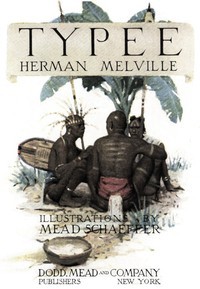
Typee: A Peep at Polynesian Life is American writer Herman Melville's first book, published, when Melville was 26 years old. Considered a classic in travel and adventure literature, the narrative is based on Melville's experiences on the island Nuku Hiva in the South Pacific Marquesas Islands, supplemented with imaginative reconstruction and research from other books.